Unpacking Odour Imprinting: The Scent Tube
 Ilse Duineveld
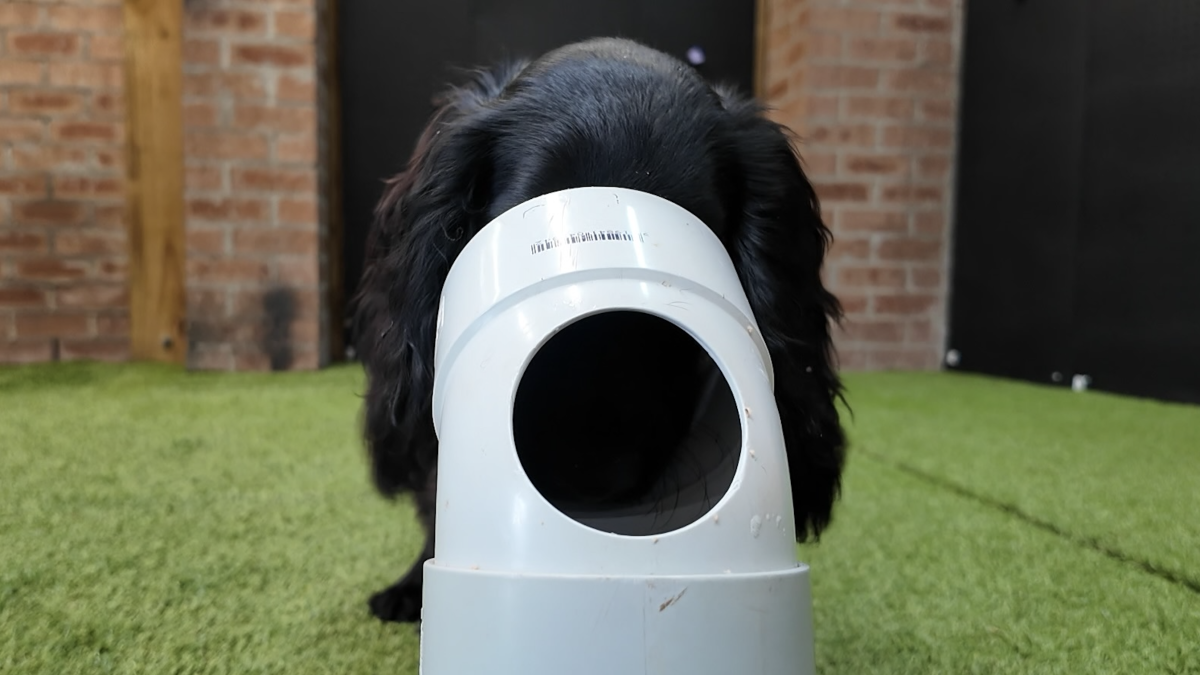
Because we want to know the “why” behind every training method, we start with the first: the scent tube a simple tool that builds clarity.
I’ve always been drawn to the different ways trainers approach odour imprinting. At the end of the day, we’re all chasing the same thing a dog that recognises odour, understands it, and shows a reliable indication. But what keeps me interested is the why. Why does this method actually work? What behaviour does it really teach the dog? And just as important what can be the downfall if we rely on it too much or use it the wrong way?
The scent tube is one of those tools that looks dead simple just a bit of pipe. But dig a little deeper and you’ll see why it works so well for building a solid foundation. It’s also worth looking at where it can set us up for success, and where it can trip us up if we don’t move beyond it at the right time.
What is a Scent Tube
A scent tube is exactly what it sounds like: a short section of pipe with the target odour hidden inside. One end is open so the dog can place their nose in, and the other has a small feeding hole where the handler can deliver food directly at source. The pipe funnels odour out in a clear plume, and because the dog can’t reach the actual source, the only option is to investigate with their nose.
It looks basic, but it’s designed to make success obvious.
Why the Scent Tube Works
The scent tube creates a clean and simple training picture, but its real value comes from how we use reinforcement.
Clear scent picture – the pipe channels odour in a way that makes it obvious and easy for the dog to locate.
Creates commitment at source – the shape of the tube encourages the dog to put their nose in and hold it steady, lining up with the alert behaviour we want to build.
Reward placement at source – in the beginning stages, food should always be delivered through the hole in the back of the tube, directly where the odour is strongest. This does three things:
- Makes it clear to the dog that odour is what pays.
- Builds a strong history of reinforcement right at source.
- Acts as a duration marker, since the dog learns that holding their nose steady makes the food appear.
Progression over time – feeding through the tube is only meant for the very beginning, just a few sessions to build a strong association between odour and reward. We don’t want to stay there too long. Once the dog has that foundation, we start moving away from delivering food through the tube and layer in a click or verbal marker as a termination marker to confirm the behaviour.
This shift gives us more flexibility we can reward from the hand, use toys, or build distance while keeping the clarity that odour is what makes reward happen.
Errorless learning – because the source is inaccessible, behaviours like pawing or mouthing don’t get rewarded. The only way forward is steady nose commitment.
By combining odour clarity, commitment at source, and precise reward placement, the tube sets up a clean learning loop the dog can easily understand.
Common Errors & Pitfalls
Like any tool, the scent tube isn’t bombproof. It works best when used briefly and with purpose. Some common mistakes include:
- Staying on the tube too long – the tube is only meant for the first few sessions. If dogs only ever find odour in pipes, they can become context-dependent and struggle to generalise to real hides.
- Poor reward placement – feeding from the hand too early or too far from source breaks the link we’re trying to build between odour and reinforcement. Delayed delivery can cause the dog to disengage from odour and shift focus back to the handler. Another common mistake is dropping food directly into the tube as it can be awkward but that turns it into simultaneous conditioning (odour and food appearing together) instead of delayed conditioning (odour first, then reward), which weakens the learning picture.
- Reinforcing quick sniffs – paying too early means we don’t actually know what we’re reinforcing. It could be the odour but it could just as easily be the tube itself. If we don’t shape duration right from the start and always reward fast nose touches, it becomes a learned behaviour. Later, when we finally wait the dog out, frustration often kicks in and that’s when pawing or scratching starts to creep in.
- Handler timing errors – if reinforcement is late or inconsistent, dogs often flick between odour and handler, reducing commitment at source.
- Large dog challenges – bigger dogs can find the tube awkward, especially if you’re shaping a sit alert. They may slide into a down or fidget at source. Adjusting the height helps set them up for the alert you want.
The tube is a fantastic start, but only when used with a clear plan. The key is knowing when to move on and making sure each repetition builds the right habits.
How to Use the Tube Well
The scent tube is a great tool, but it’s not something to lean on for long. It’s there to give the dog a clean start, nothing more.
- Keep it short – the tube is just for imprinting. A couple of sessions is enough to build clarity, then it’s time to move on.
- Pay for the right picture – don’t reward quick nose bops or drive-bys. From the start, shape that steady nose hold so the dog learns commitment is what pays.
- Place food with intent – at the beginning, feed through the back of the tube so the dog builds a strong history of reward right at source. Once that’s clear, switch to termination markers.
- Stay sharp with timing – reward while the dog is still locked on odour. If you’re late, you risk reinforcing them pulling away instead of staying committed.
- Change it up – the tube is only one way of presenting odour. Mix in other delivery devices like boxes or scent canisters so the dog learns that odour is what matters, not the container it comes from. This helps prevent the dog from becoming equipment-focused and makes it easier to generalise to real-world searches.
The tube sets the picture, but it’s not the picture we want to finish on. The value comes from transferring that clarity into the messy, unpredictable places dogs actually search.
From Tube to Real-World Detection
The scent tube gives the dog a clean start, but it’s not where we want to finish. Once the dog understands that odour = reward at source, it’s time to move them into setups that look and feel more like real life.
A good step before switching to other delivery devices is adding choice. Start with two identical tubes only one holding target odour. The dog learns to search, discriminate, and commit to the right one. From there, you can add a third tube or introduce different presentations to keep the picture varied. This keeps the work clean but begins to build the idea that odour can be present or absent, and that it’s the odour itself that drives reinforcement.
Once that’s clear, progress to different delivery devices, boxes, scent canisters, walls, vehicles, or whatever suits your training picture. The goal is to prevent the dog from seeing the tube as the cue and instead teach them that odour is the cue, no matter where it comes from.
This stage is also where you start building duration and proofing against distractions. If the dog has been rewarded for steady nose contact in the tube, the same behaviour should transfer smoothly to other hides. By mixing setups early, you develop a dog that understands the bigger picture: search, locate, commit, and get paid.
The tube is just the first step. Real detection work happens in messy, unpredictable environments, and the value comes from transferring that clean foundation into the field.
Closing Thoughts
The scent tube works because it makes the picture simple: odour is clear, the behaviour is obvious, and the reward comes right where it should. But it’s not the end goal. The real job is taking that early clarity and turning it into reliability in the kind of messy, unpredictable searches dogs will face later.
Used well, the tube isn’t just about teaching dogs to put their nose in a pipe it’s about teaching them that odour itself is worth committing to, no matter where they find it. That’s the habit that carries forward, and that’s what makes the tube such a valuable starting point.